#AccessDenied stencils
Julia Garner

Найти похожую с ИИ


Профиль печати(0)
Файл модели(0)
 0
0 0
0 0
0
Опубликовано:2026-05-08 18:20:48
0
0
 000
000Introducing #AccessDenied - a project from my time at art school last year.
Most non-disabled people have no idea just how many obstacles disabled people face. What if we tagged these obstacles in the real world - and in social media - so they can be seen all together on a map, and fixed? With a label made using removable chalk paint?
If we saw a map of disability access obstacles in your town, what would it look like? Would you like to help get these obstacles seen?
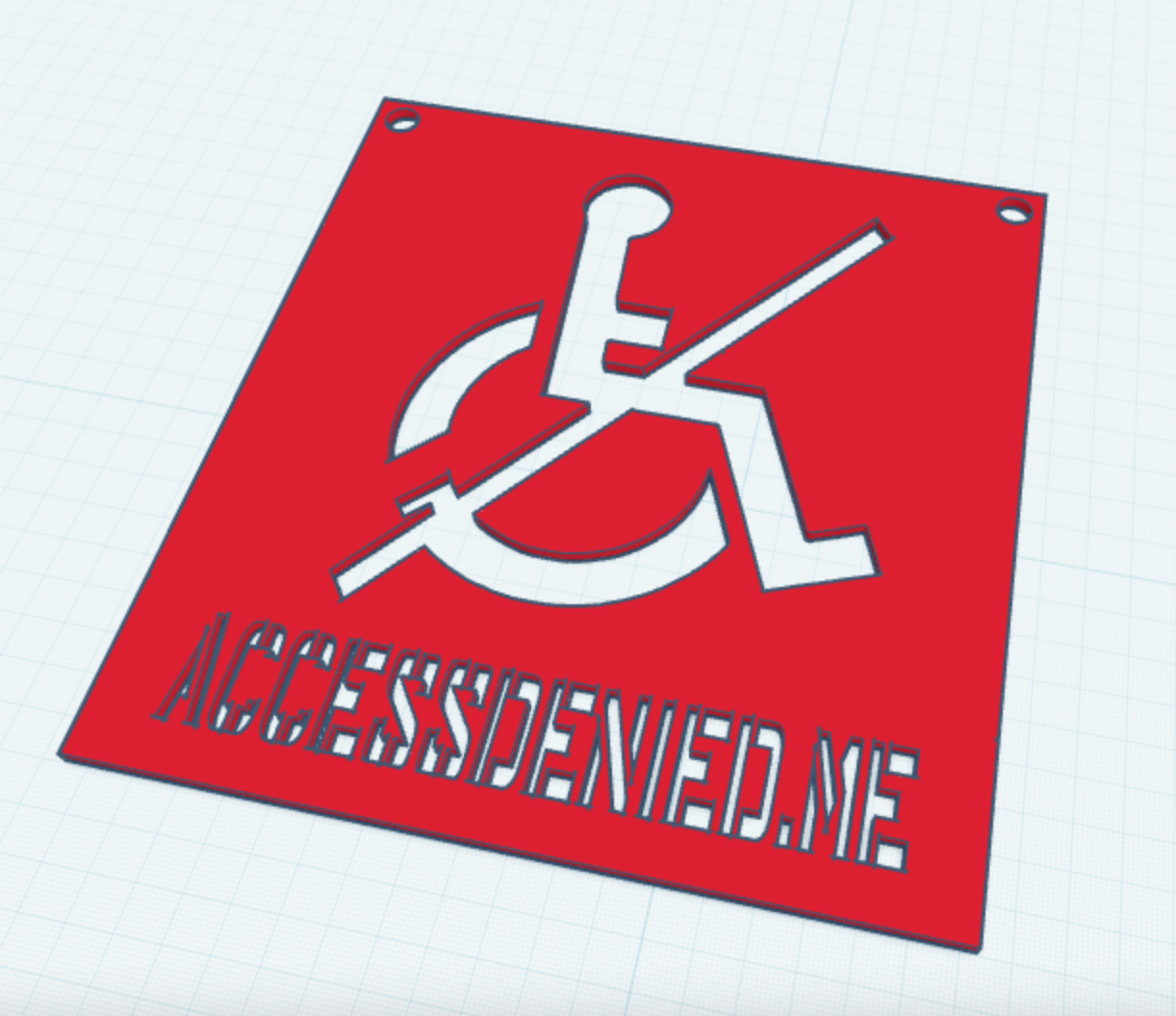
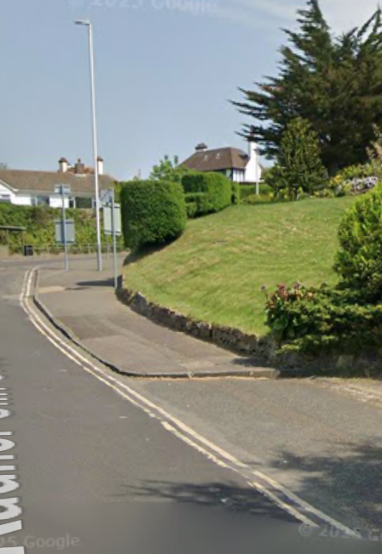
I had the idea for a stencil that could be used to leave a physical mark that a disabled person had been prevented from doing things safely in that spot - a double kerb running across a pavement, which forces you to risk your life in the road, for example. That's not right! Let's do something!
These stencils are meant to be used with removable chalk paint that is wipeable on smooth surfaces. Spray over the stencil near the obstacle and take a photo. Take a photo, upload via WikiCommons and the Category:AccessDenied Art Project. Follow the instructions on https://accessdenied.me/howto.html to see your obstacle on a map.
If you prefer to leave no trace, or the surface is too rough for the paint to be removed easily, one option is to use light and shadow instead of paint: shine a very powerful light source through the stencil to cast a temporary 'access denied' shadow on the obstacle, and take a photo. Alternatively, just write '#accessdenied' with a stick of chalk and click a photo of that.
If you upload your photo via WikiCommons and on socials with the hashtag #accessdenied, then we will be able to see many of the access problems disabled people face in a neighbourhood, and people will be able to fix them.
How would you improve the stencil? Remix, improve and share your own Banksy-inspired designs but keep the hashtag #accessdenied so that we can show the size of the problem.
People have no clue how many accessibility obstacles exist in the world. They stack.
Let's make them visible - in the real world and on a map.