Harmonic Drive - Educational Model
smooth_wave

AI로 유사한 모델 찾기

프로필 출력(0)
모델 파일(0)
 0
0 0
0 0
0
게시일:2026-04-23 10:40:24
0
0
 000
000This model is one of my educational mechanical device examples, which uses an 80 mm x 80 mm base plate.
You can find all the models of this series in this collection =>[Example of mechanical devices]
This is an educational model of a flexible wave drive system
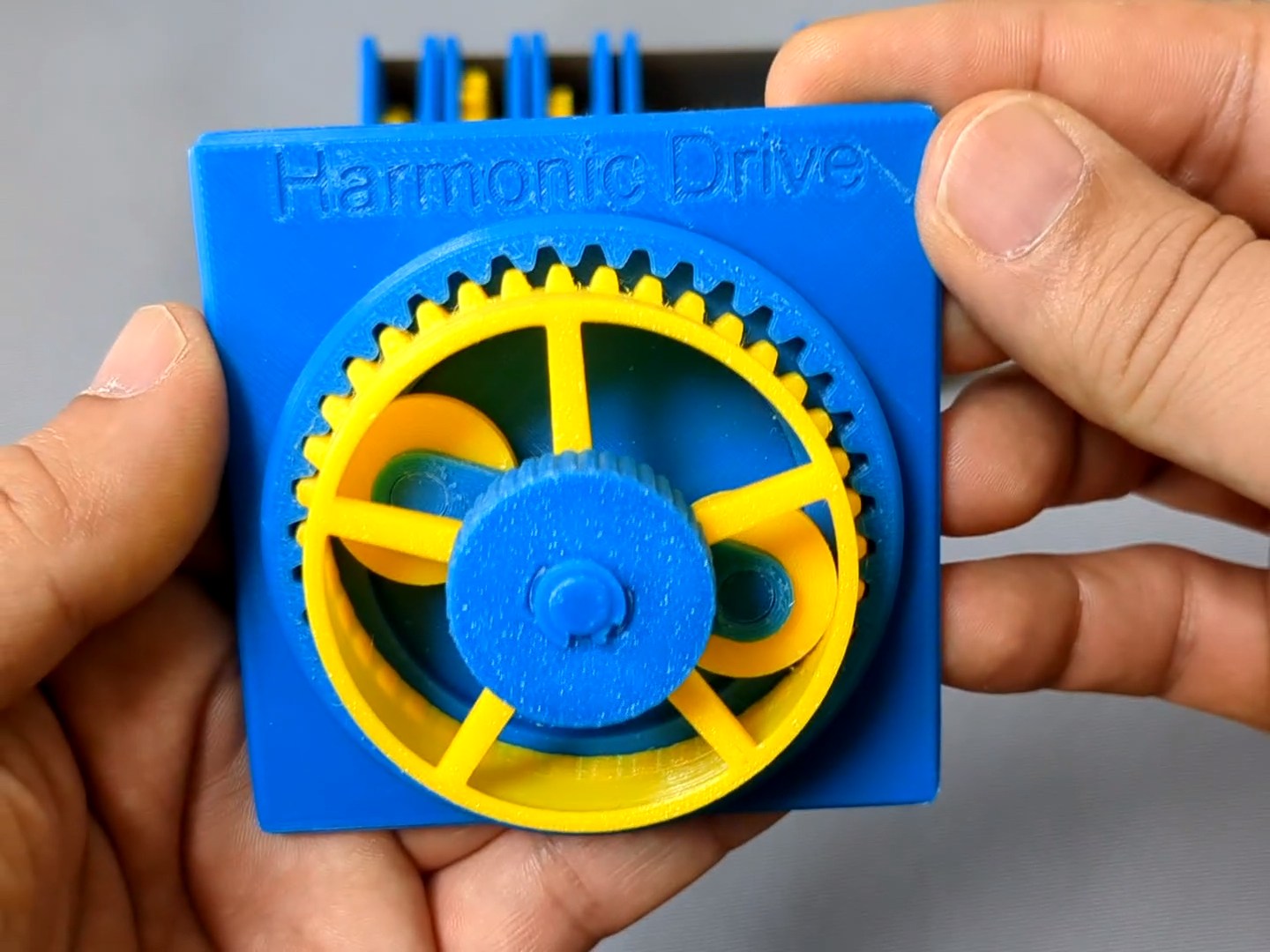
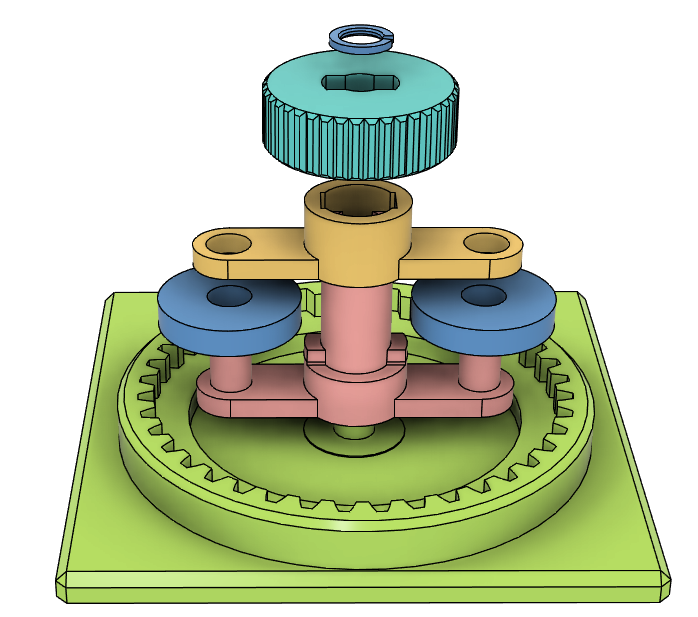
In this model, the outer ring gear has 40 teeth, and the inner flexible gear has 38 teeth. The flexible gear is deformed into an oval shape by two rotating discs that press from the inside out, allowing the teeth near the long axis to engage with the ring gear, while the teeth near the short axis are completely avoided.
Due to the different number of teeth on the two gears, their tooth meshing will gradually shift as you move away from the contact area of the long axis. When the disc rotates, the long axis of the ellipse also rotates, causing the meshing area to move around the gear. After the disc completes a half-turn rotation, the difference in the number of teeth causes the flexible gear to rotate back exactly one tooth; after completing a full turn rotation, it rotates back two teeth. Therefore, the reduction ratio from the input knob to the output flexible gear is 2:38, or
For this model, I used a standard involute tooth profile, but I want to know which tooth profile is most suitable for this gear system.
This kind of institution is different from the ones we introduced earlier.Planetary speed reduction gear systemThere are significant similarities. In both cases, two gears with slightly different numbers of teeth only engage each other at a few points around their perimeters. When these engagement points complete a full rotation, the free gear rotates backward precisely relative to the fixed gear, with the amount of rotation equal to the difference in the number of teeth.Cam-and-follower drive systemI also shared a similar concept.
This model is included in theThe shell in my first set is compatible。
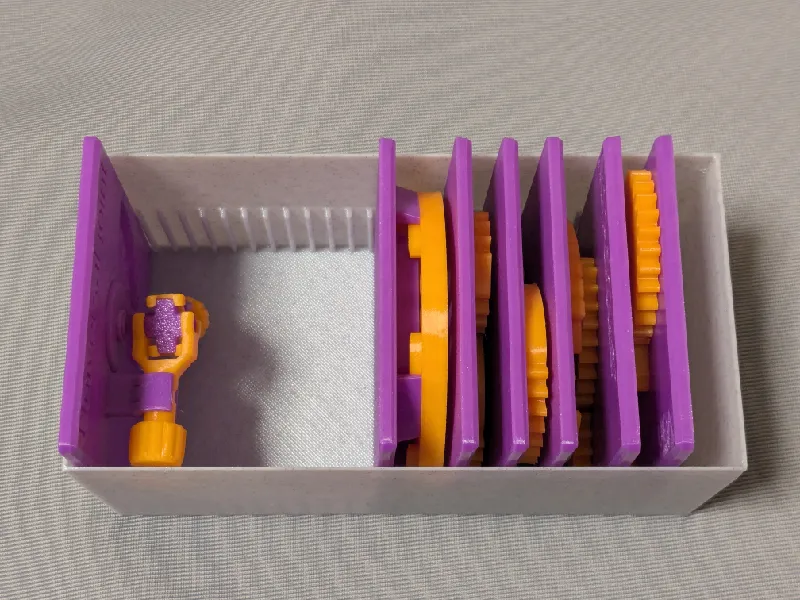
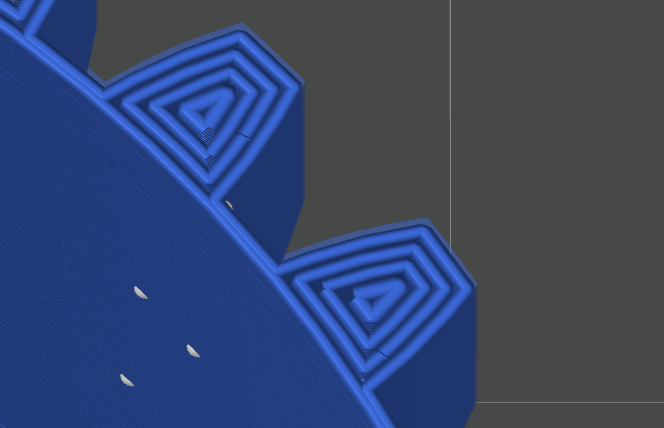
Please note that in this model, the rotation of the bearing base is deliberately designed to be not very smooth.
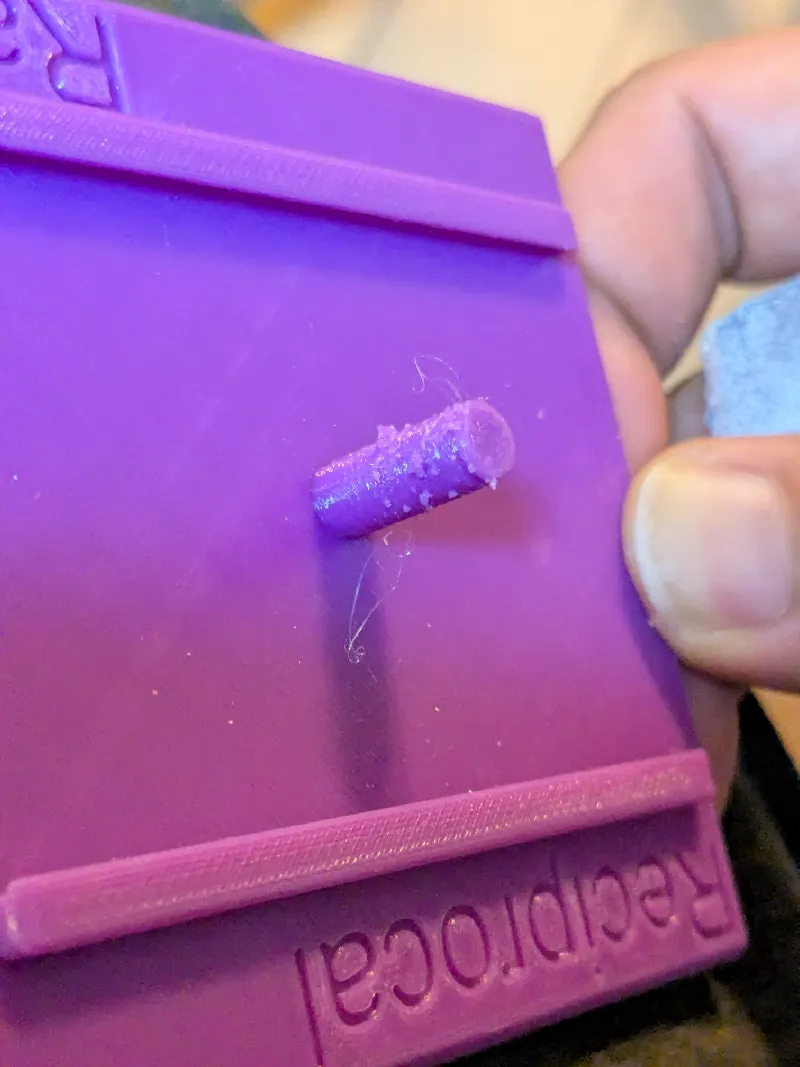
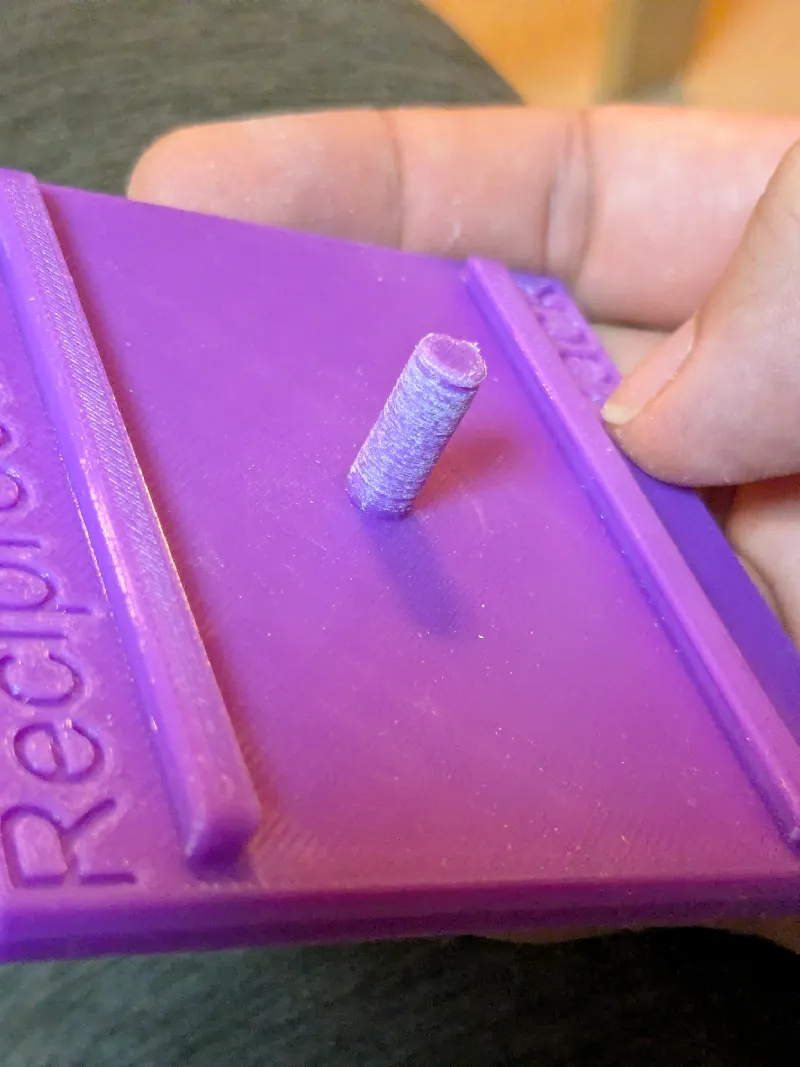
Sometimes, the gears are affected by the drawing effect and/or the elephant's foot effect, resulting in a too-tight fit with the shaft
If the surface of the shaft is rough due to the drawing effect, please use a small piece of sandpaper to polish off the rough parts.
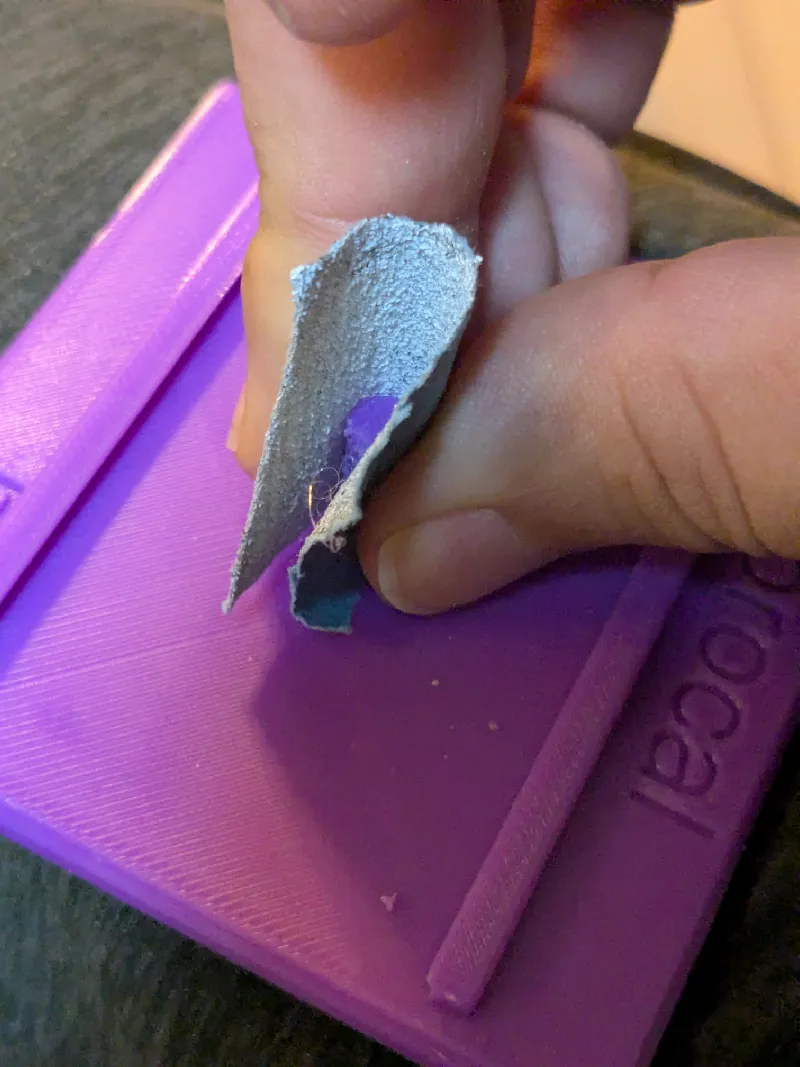
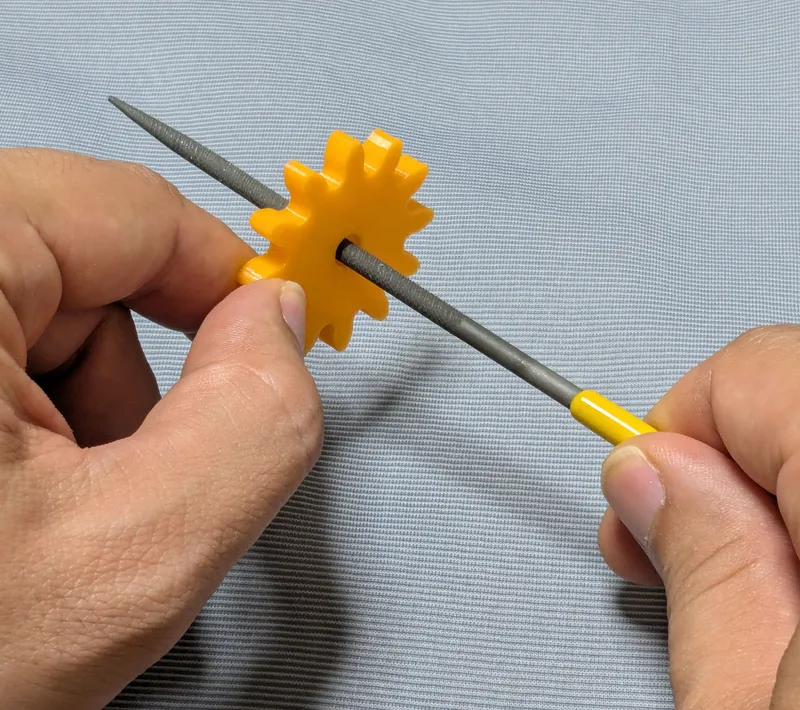
If you think the gear can't rotate smoothly due to the elephant's foot effect, please use a fine round file to slightly widen the hole.
If there are no such problems, the parts should rotate very smoothly with minimal friction.
Fix the parts with clamp rings.
You might also be interested in the models in my examples of educational mechanical devices.
Search for it in this collection:
https://makerworld.com/collections/15048577-my-educational-mechanism-models
Have a nice printing experience!
I owe my interest in gears to someone.K. SuzukiA wonderful article andYouTube videoMany of the institutions showcased in this series come fromHis websitethe introduction on it. He also made it himself.An excellent gear modelIf it weren't for his inspiration, this series wouldn't exist.
I'm fromHaguruma-No-Hanashi WebsiteI've learned a lot of technical details about gear tooth design. I'm very grateful for that.