Germination Station
brave_root

Encuentre similares con IA


Perfil de impresión(0)
Archivo de modelo(0)
 0
0 0
0 0
0
Publicado:2025-07-15 03:55:28
0
0
 000
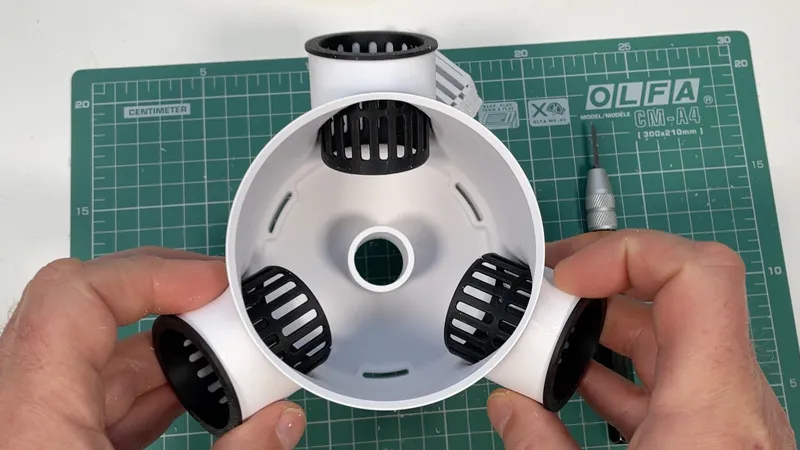
000After publishingTower hydroponic systemAfterwards, it became clear that home gardening is a topic that resonates with many people. The tower itself is very advanced, naturally inspiring ideas for expansion. There's almost a demand to add accessories. Today's post is dedicated to one of them - the germination station.
If you're already familiar with this field, there's no need for an explanation. But for beginners - this is basically a mini greenhouse, a nursery box for germinating seeds. A compact incubator for your future seedlings - lightweight but thoughtfully designed.
There's more to come. New accessories are already in the pipeline. For example, new tower segments with modified geometries. I will also release an expansion module that allows you to increase the height of the tower. In development - a lighting module and controller for managing lights and pumps.
It's also in progress: an external container with accessories is connected to a larger tank with nutrient solution. This is useful for crops with high nutritional requirements. You can hide the water tank below and set up an appropriate circulation system. If you have multiple towers, they will work together as a system.
Therefore, following, liking, and improving - this has indeed accelerated my development process. When I see interest, I move faster.
All items exposed to ultraviolet rays should ideally be printed using ASA plastic. PLA and PETG will degrade within one or two seasons. ABS with an ultraviolet-resistant coating is also an option, but ASA is a better choice.
I suggest printing the tower and germination station containers from ASA - and printing them in white. Why white? Firstly, it reflects light, which means less heat. Secondly, it helps to reduce the temperature and maintain the health of the root zone. Overheating is bad news for plants.
The dome is best printed with transparent PETG, as it allows light - including a portion of the ultraviolet spectrum - to pass through well. Another option is polycarbonate, which is stronger, but it filters out active UV-A (about 365-385 nanometers). Some plants need it, but for most plants, safe blue and deep red spectra are sufficient.
We will discuss more information about LED spectrum and configuration in a separate video.
The dome is complex. It has to be divided into several parts for printing. Each part has its own configuration to achieve a thin yet strong dome, maximizing light transmission. However, in the end, the dome is printed as a single piece. You can see all the details in my 3MF file. The file already includes a dome, but if needed, you can download an STL version in other sizes - up to 150 mm in height - and print the required content according to my settings. If you need something customized, just let me know and I'll add the STL file.
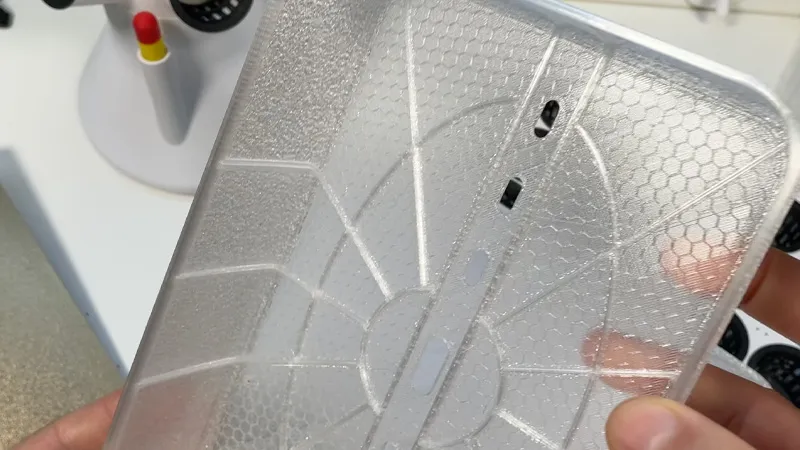
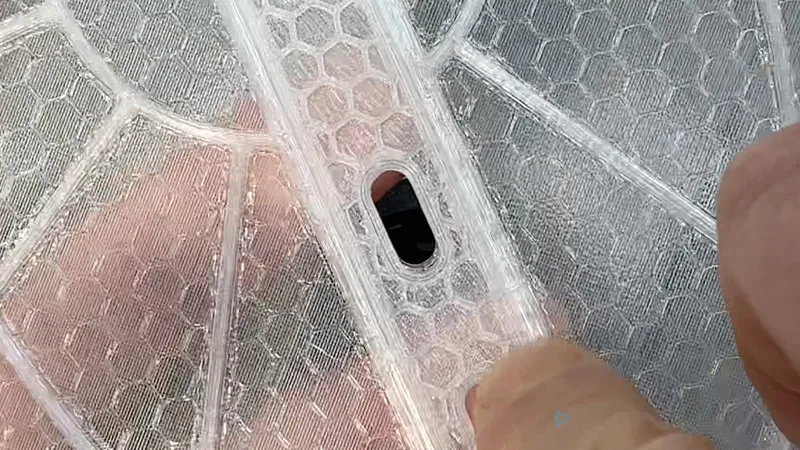
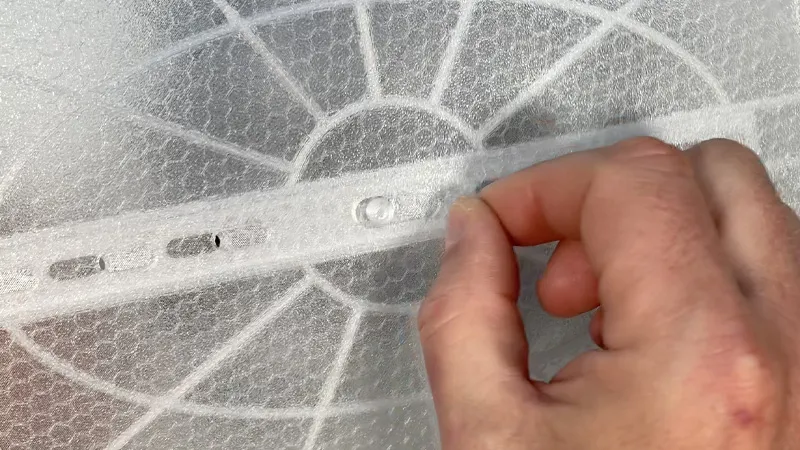
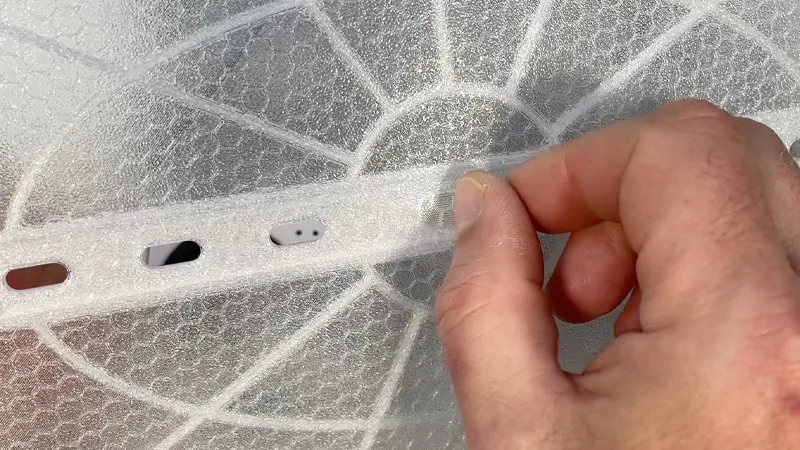
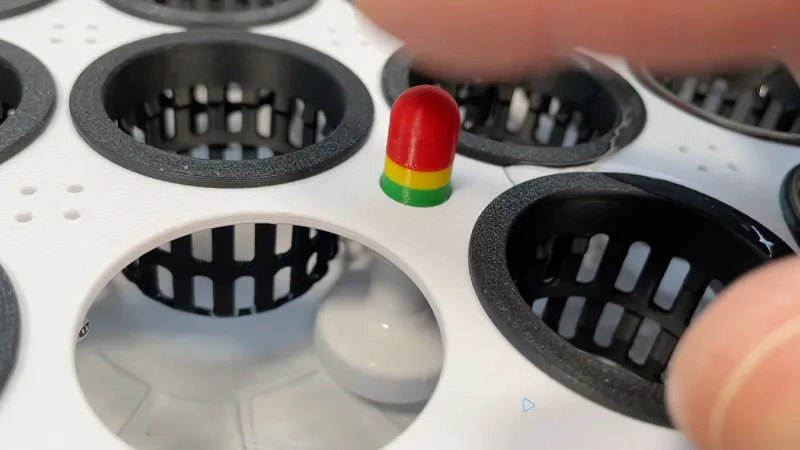
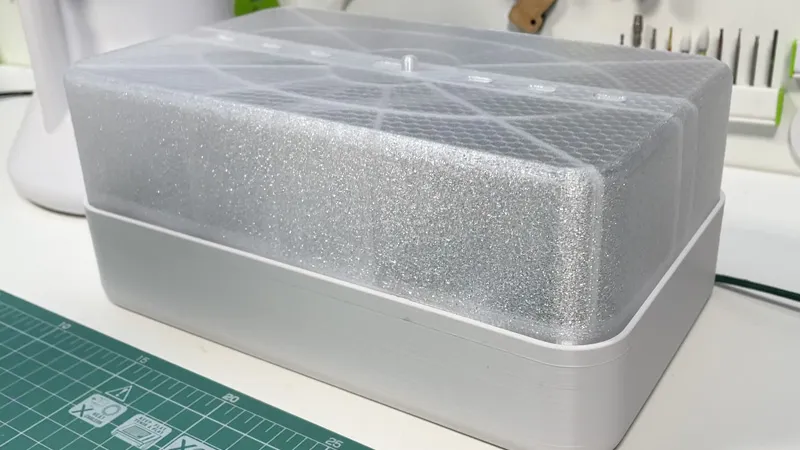
In the video, you'll see all the steps: how to assemble the box, how to insert the dome's ventilation sliders, and so on. Yes, you can buy similar boxes -- they're quite cheap. But I wanted to design my own -- without compromises, with proper rigidity and a smart structure. This box isn't disposable. It's durable. Unlike those fragile, hard-to-breathe-in things you buy in stores.
I hope my germination station will be more useful, more durable, and more beautiful than the commercial version. And there's more to it.
If you like this item, let me know by clicking the 'Like' button!

Thank you for every tip or donation you've made.
This means a great deal of recognition to me and will help me move forward!

BTC:bc1qplpzq36ghw84hty4nn2zzu4ps4sdh4th0v93j8
ETH:0xc766ebbeAa76aaf629788c8F99C33A8d80d48977