Stretch load tester
Joshua Okafor

Encuentre similares con IA


Perfil de impresión(0)
Archivo de modelo(0)
 0
0 0
0 0
0
Publicado:2025-06-20 04:33:46
0
0
 000
000The tensile specimens are designed with M6 threads at both ends and are specifically made for users to customize their own specimen clamps. It is recommended to use the highest-strength printing material to print the specimen clamps - I personally use PA6, and I have also ordered specimen clamps made of MJF steel. Please print the specimens according to the following instructions.
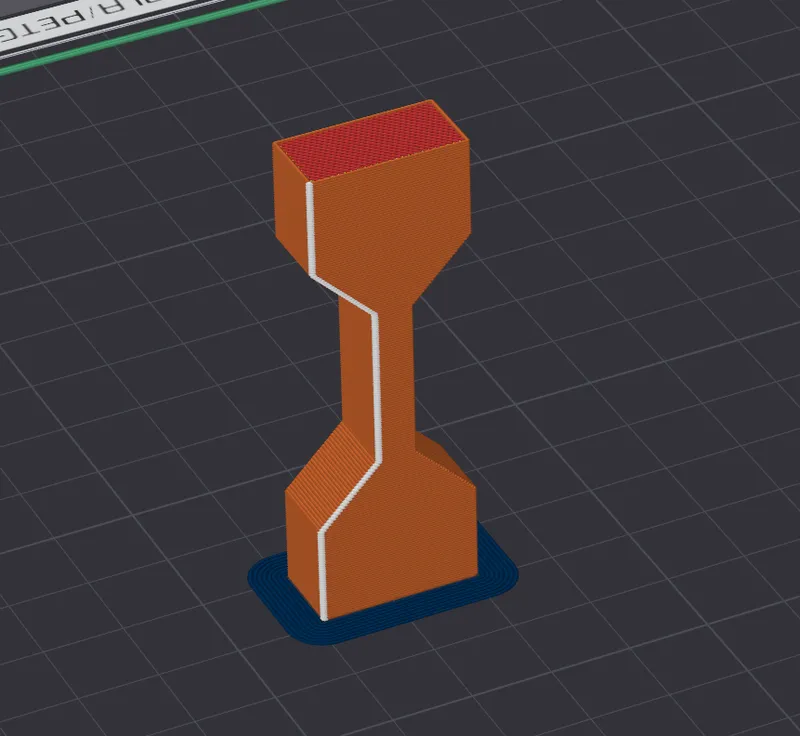
If a more robust material
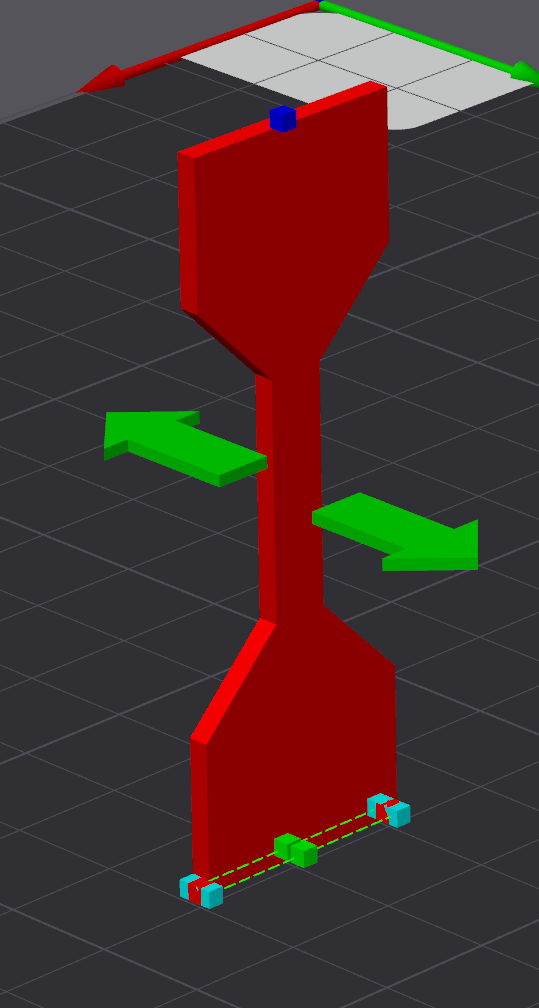
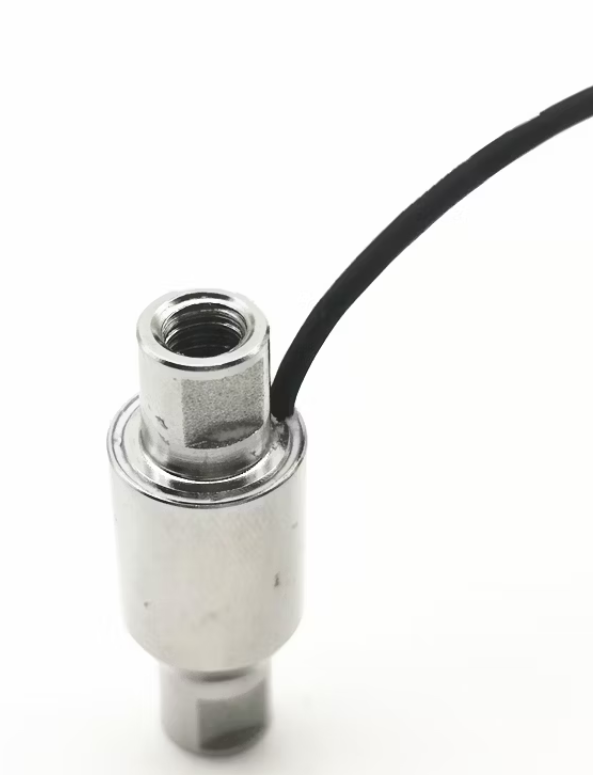
At present, I haven't installed the force sensor yet, but I strongly recommend choosing a force sensor with the following specifications
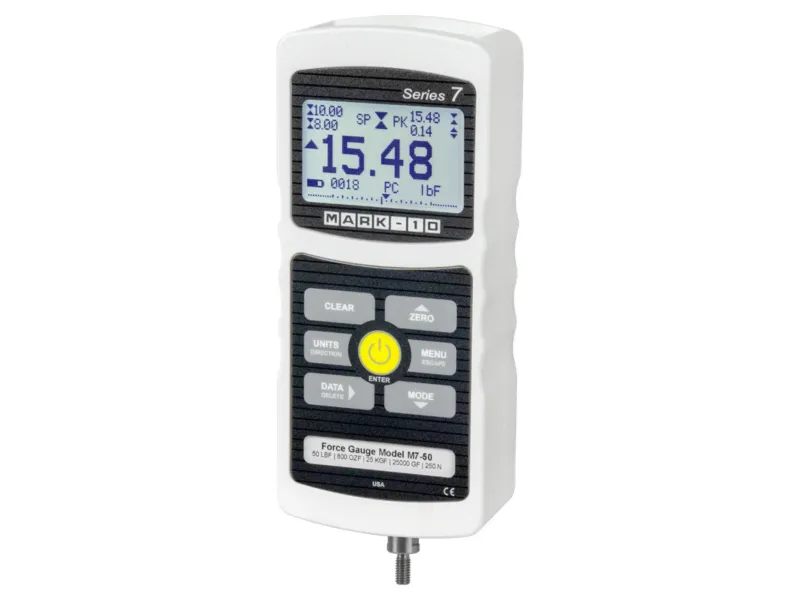
You can also design your own adapter for connecting to a commercial force gauge
Hardware configuration:
400mm 2020 aluminum profiles ×4
Nema17 stepper motor ×1
[Stepper motor controller with power supply] ×1
T8 ball screw combined with a round brass adapter ×2
M3 hexagonal machine screws and nuts of various specifications
Bearing: outer diameter 42mm, inner diameter 20mm, height 12mm×4
When printing, we should enhance the strength of the parts as much as possible. I used a mixture of ABS
Hammer the aluminum profiles into place and use epoxy resin glue to firmly connect the ball screw with the large gear and bearing adapter.
The ball screw needs to be lubricated with a special lubricant for 3D printers. At the same time, a proper amount of lubricant should be applied to the parts where the gears and aluminum profiles come into contact with the moving parts.
If the specimen does not break
The recommended ideal printing parameters are as follows: