Helical Gear - Educational Model
SnowyFjord

Mit KI Ähnliches finden

Druckprofil(0)
Modelldatei(0)
 0
0 0
0 0
0
Veröffentlicht:2026-04-22 14:01:46
0
0
 000
000This model is one of the examples of educational mechanical devices on my 80mm x 80mm baseboard.
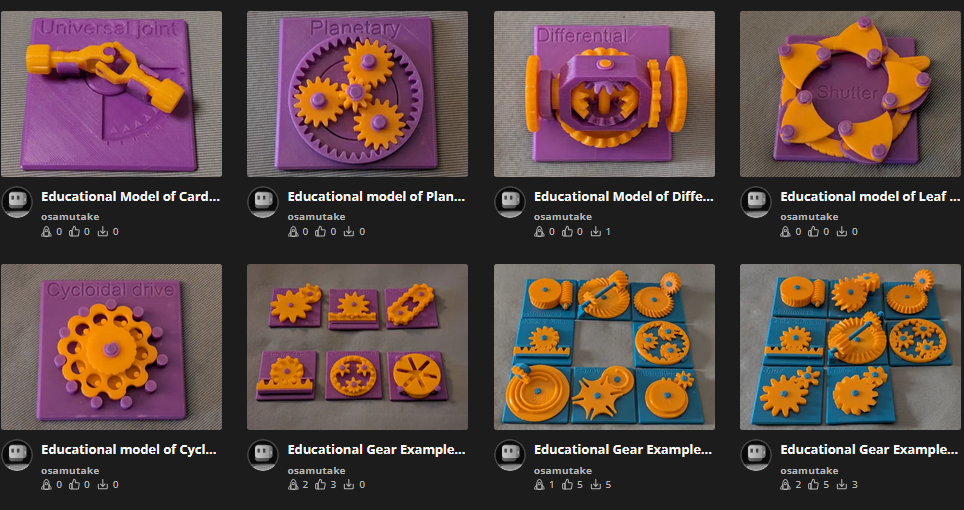
You can find all the models of this series in this collection =>[Example of mechanical devices]
This is an educational model of a helical gear system, a type of variable-speed gear system.
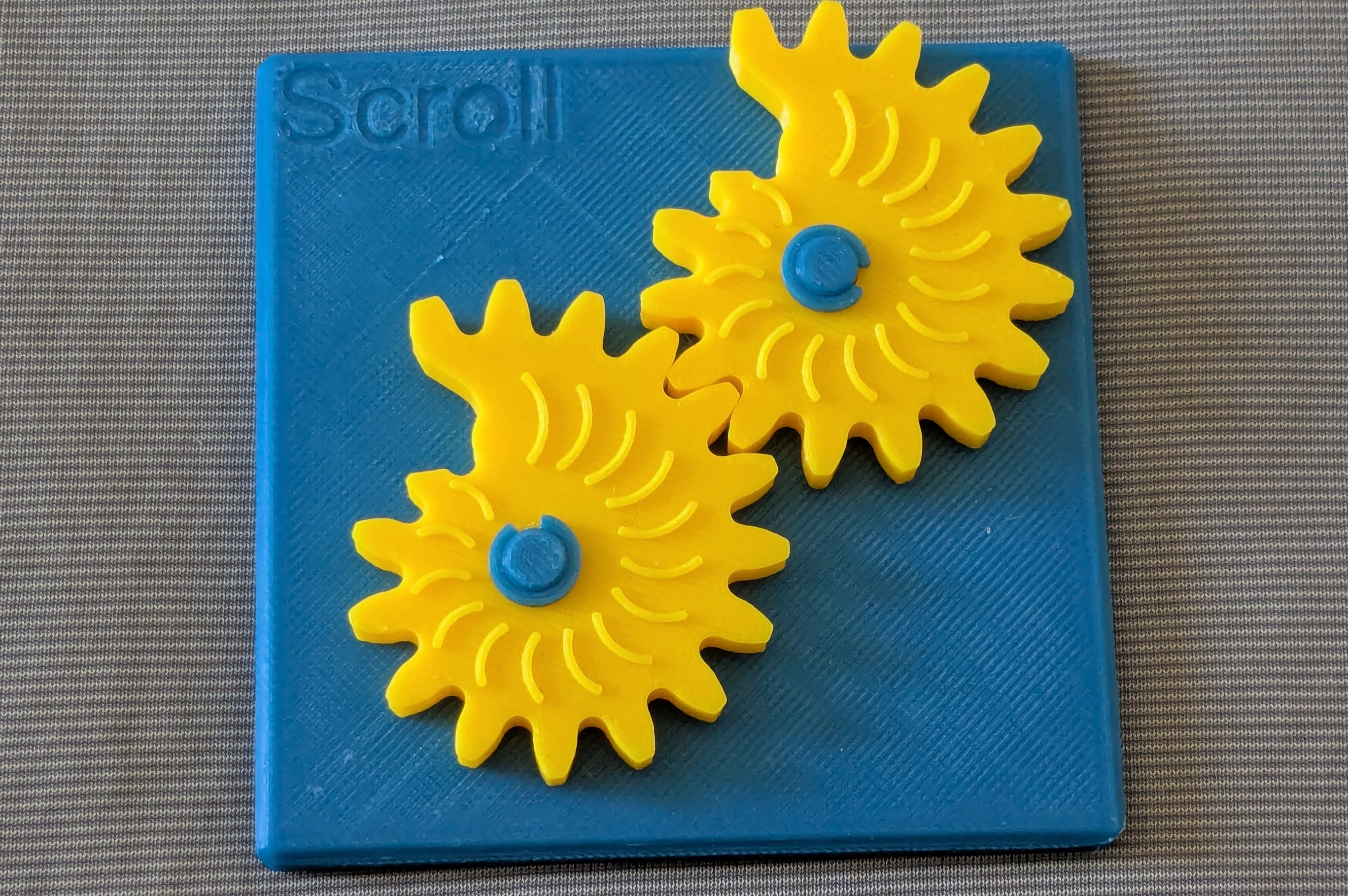
This is a variable gear ratio gear system, whose reference curve is not a circle, but a logarithmic spiral. The key design principle is that the radial distance from the pivot to the curve increases linearly with the arc length, and then suddenly resets to the initial value. Under this constraint, the reference curve takes the form of a logarithmic spiral - crucially, this geometric shape allows two identical gears to mesh with each other. Due to its logarithmic spiral shape, the helical gear is also known as a nautilus gear.
When the gear rotates, except for the discontinuous moment of the helix reset, the gear transmission ratio changes monotonically.
The tooth profile is generated using the same method as for standard involute gears: the reference curve is rolled against an imaginary gear-shaped cutting tool
This model is compatible withMy first setIt is compatible with the shell included in the package.
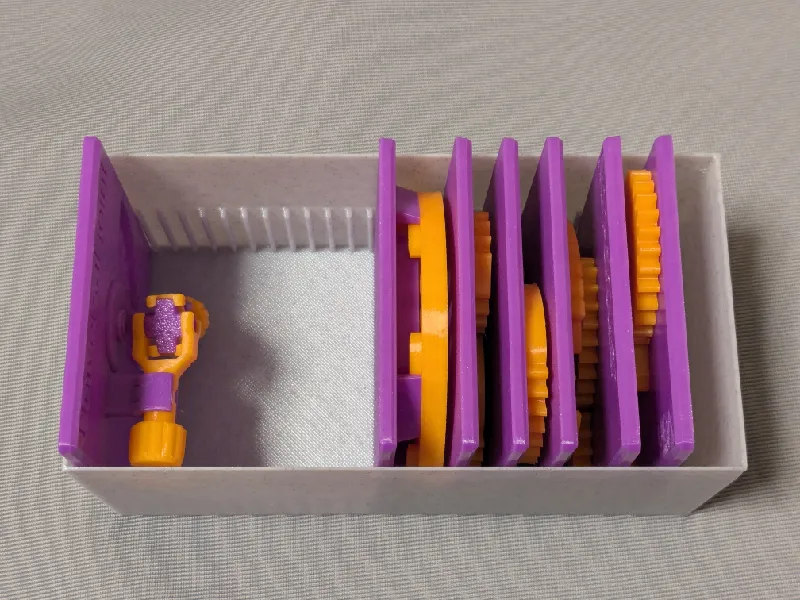
Please note that in this model, the rotation of the bearing base is intentionally designed to be not very smooth.
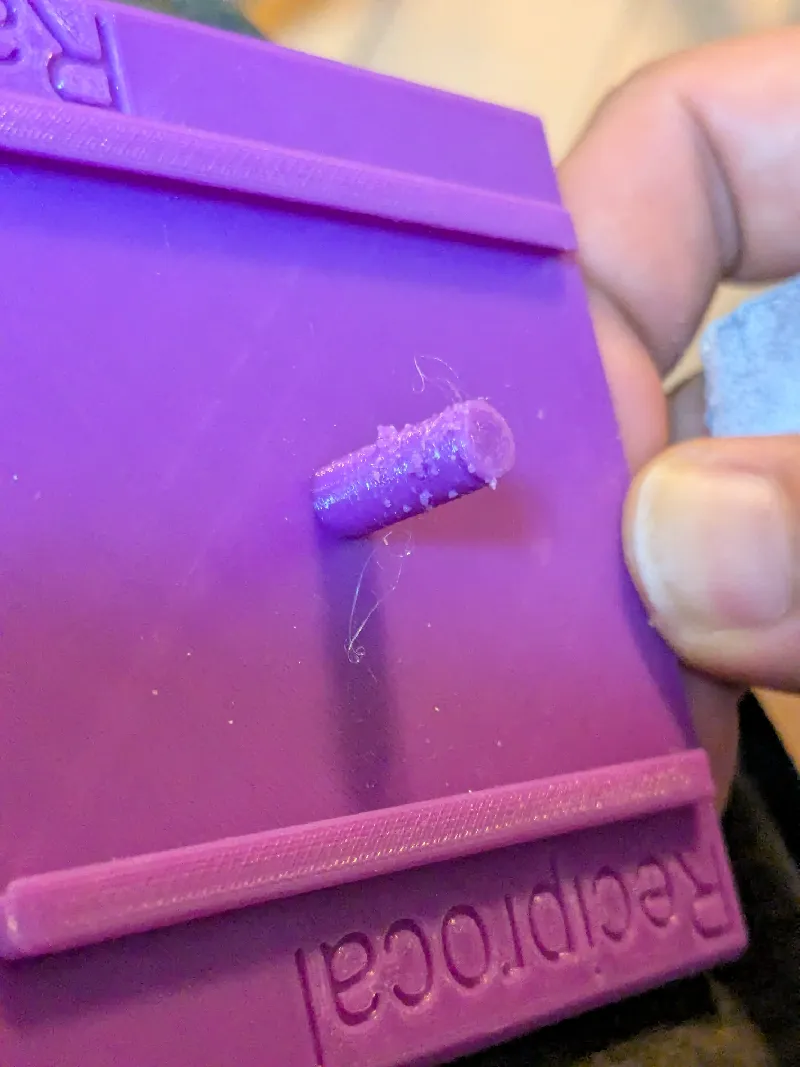
Sometimes, the gears may exhibit a drawing effect and/or a claw effect, resulting in an overly tight fit with the shaft
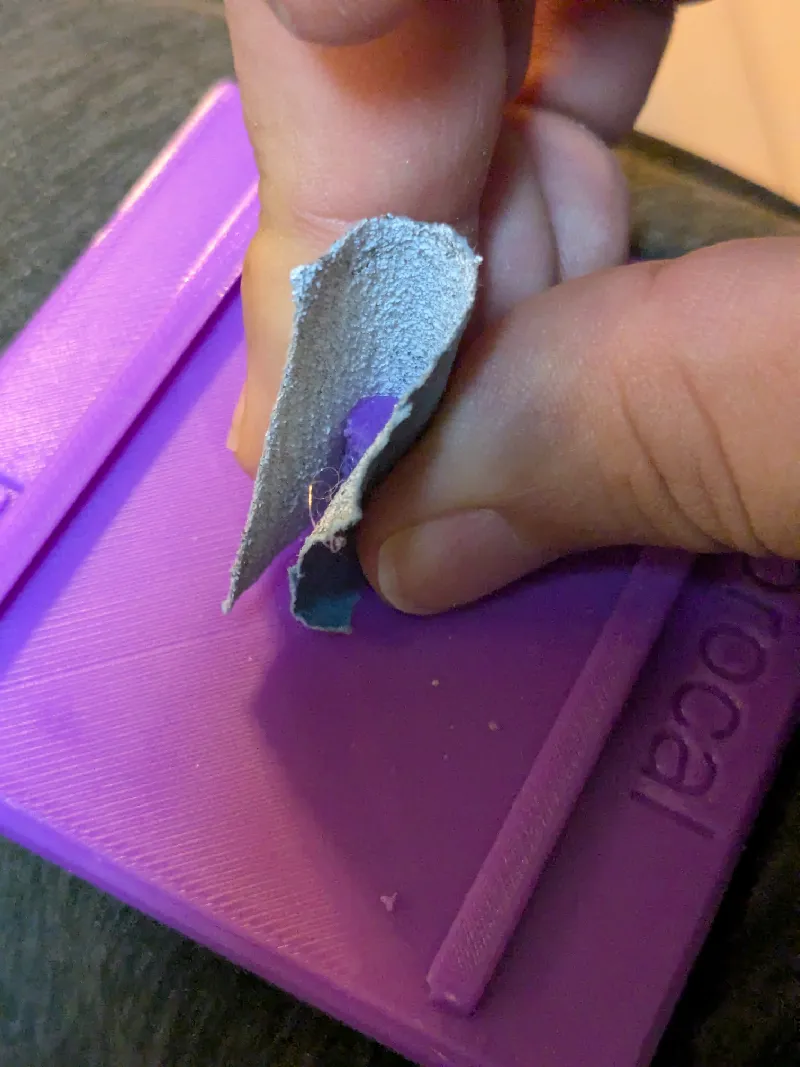
If there is a rough surface on the shaft due to drawing, please use a small piece of sandpaper to polish off the rough parts.
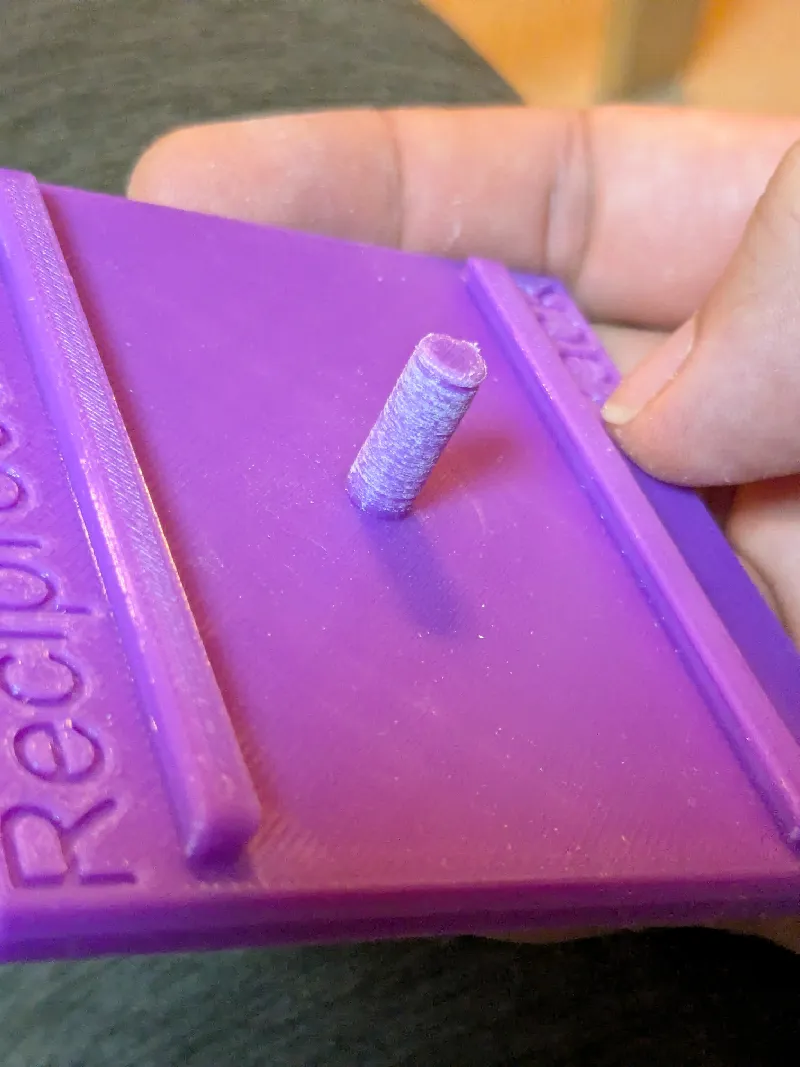
If you think the gear can't rotate smoothly due to the elephant foot effect, please use a fine round file to slightly enlarge the hole.
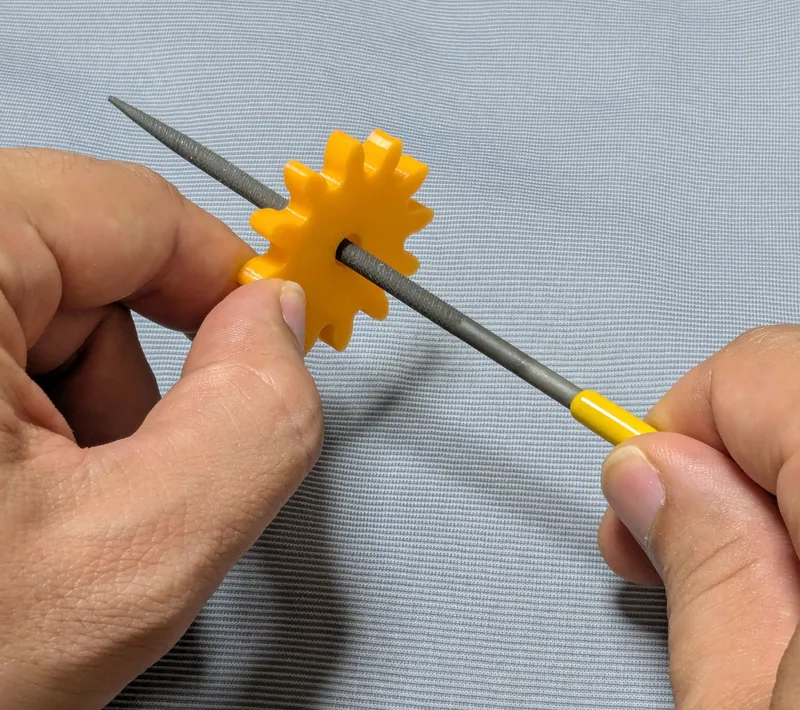
If there are no such problems, the parts should rotate very smoothly with minimal friction.
Use a clamping ring to fix the gear to the shaft.
You might also be interested in the models in my examples of educational mechanical devices.
You can find them in this collection:
https://makerworld.com/collections/15048577-my-educational-mechanism-models
Wish you a pleasant printing experience!
I was able to get in touch with Gear because ofK. SuzukiIt's wonderfulArticleAndYouTube videoMany of the institutions showcased in this series originated from him.Websitethe introduction on it. He also made it himselfAn excellent gear model. Without his inspiration, this series would not exist.
I'm fromHaguruma-No-Hanashi WebsiteI've learned a lot of technical details about gear tooth design. I'm very grateful for that.