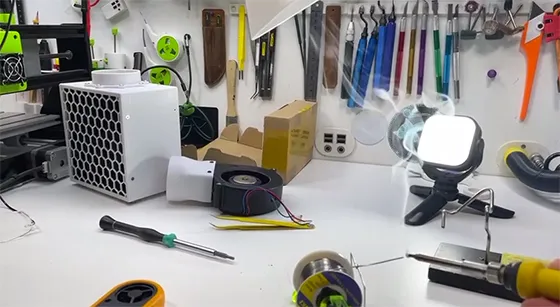
Smoke removal system
FlyingHinge99

Mit KI Ähnliches finden
Druckprofil(0)
Modelldatei(0)
 1
1 2
2 0
0
Veröffentlicht:2025-11-21 04:25:17
0
0
 120
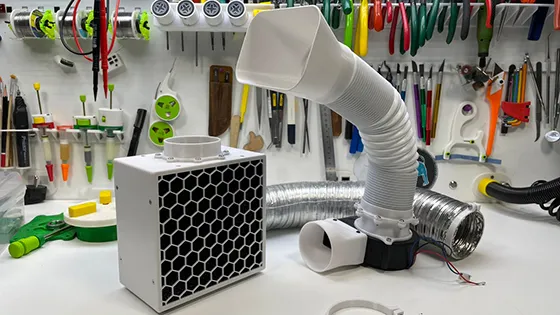
120For a long time, I've always dreamed of having a high-performance smoke exhaust system, but every time I thought about purchasing one, I inevitably encountered a stubborn problem - there simply weren't any suitable flexible air ducts on the market. Until one day, I discovered that a nail art exhaust device actually came with a dedicated connection hose! Seizing this rare opportunity, I didn't hesitate to purchase this set of accessories. Although setting up the actual system didn't take long, choosing the right blower became a significant challenge. Initially, I tried domestic axial flow
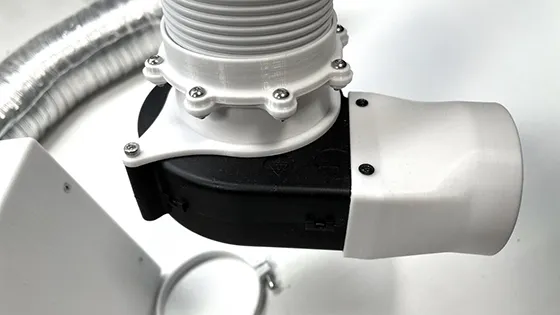
However, the series of unexpected events that followed really opened my eyes... Those high-powered fans were just too noisy, while the ones with excellent mute effects often lacked sufficient power. After some experimentation and weighing the pros and cons, I finally found the ideal balance: I chose a turbo fan with a speed of up to 4,000 rpm powered by a 12-volt supply. I also tried turbo fans with speeds of up to 8,000 rpm, which performed exceptionally well, but the noise problem became increasingly prominent during long-term operation. However, these fans can be easily controlled with precision
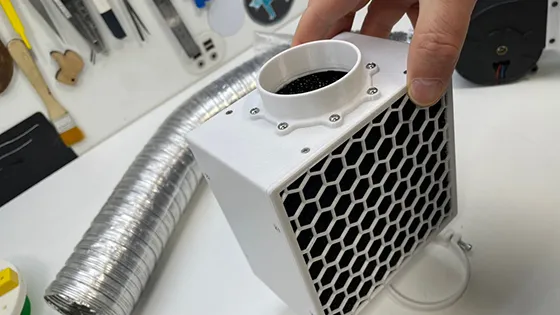
Now, I plan to cleverly embed the entire system into the side wall of the workbench. I've always wanted to add more new equipment to my workbench, and this excellent smoke emission system will undoubtedly become an indispensable part of it. Unfortunately, since I can't discharge the exhaust gas directly to the outdoors, I've decided to install a module equipped with an activated carbon filter at the bottom of the wall. All pipe connections will use flexible ducts with a diameter of 60 mm
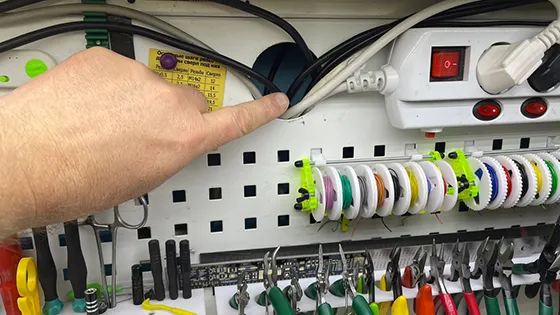
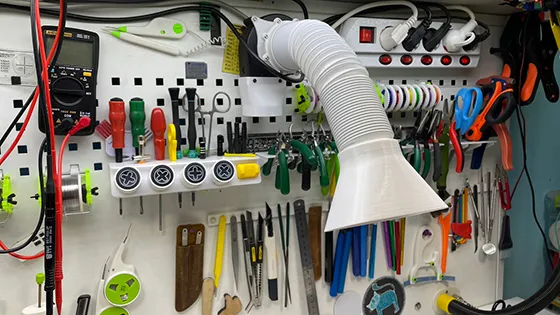
During the running process: